El Niño, El Niño, El Niño. It’s like those words are the only ones you’re hearing when you turn on the Weather Channel or scroll through a weather TikTok. All you’re thinking about is what it is and how it affects fishing. To begin with, El Niño is a natural climate pattern that begins with warmer-than-average surface waters in the central and eastern Pacific. Its effects ripple across the globe, including the Mexican Caribbean and Chetumal Bay. So now you know, and you need to know, how El Niño affects Xcalak fishing and how to plan your trip to Xcalak on the Fly. Understanding these shifts helps set realistic expectations and shows why local knowledge matters more than ever.
What El Niño Actually Changes
How does El Niño change the water around Xcalak?
During an El Niño event, sea surface temperatures in the Caribbean and Gulf of Mexico often rise. In recent strong cycles, waters off Quintana Roo have climbed into the upper 80s°F and beyond. Warmer water can:
- Stress coral reefs and increase the risk of bleaching on the Mesoamerican Barrier Reef.
- Alter the timing and intensity of sargassum arrivals.
- Shift rainfall patterns, sometimes producing longer dry periods or irregular heavy rains.
- Reduce overall Atlantic hurricane activity due to increased wind shear, which can mean fewer storm disruptions to fishing schedules.
These changes don’t shut down the fishery, but they influence where fish hold, when they feed most actively, and how the water looks day to day.
Effects on Bonefish, Permit, and Tarpon
Do warmer El Niño years change how the fish behave?
Xcalak’s strength is its habitat diversity. Bonefish use the shallow grass and sand flats, permit work the reef edges and sand holes, and tarpon move between lagoons, mangrove channels, and open water. That mix gives the fishery built-in flexibility when conditions shift.
In warmer El Niño years, fish often push slightly deeper or favor areas with better tidal flow and cooler micro-habitats during the heat of the day. Morning and late-afternoon windows become even more important. Guides may spend more time in the protected lagoons and inner bay when the outer flats warm up or when wind and clarity change. Baitfish movements can also shift, which in turn affects where the predators concentrate.
Water clarity is another factor that can be affected. Heavy rain events (when they occur) can temporarily color the bay, while extended dry periods can keep visibility high. Experienced local guides read these daily changes and adjust the plan accordingly. The result is rarely “poor fishing.” It is simply different fishing that rewards adaptability.
Why Xcalak Holds Up Well
What makes Xcalak more resilient than other flats destinations?
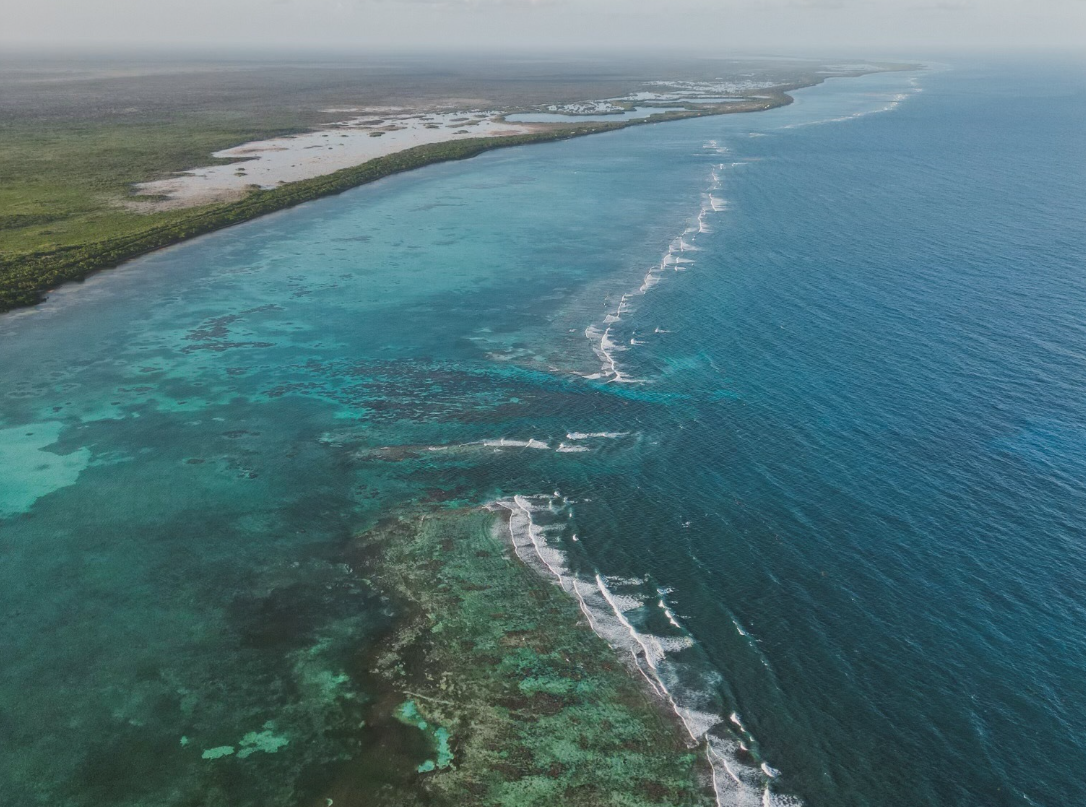
Not every flats destination has the same buffer. Xcalak sits at the meeting point of Chetumal Bay, the barrier reef, and extensive mangrove systems. This whole ecosystem is protected and helps it maintain that natural defensive barrier. When one type of water is less productive, another is usually available. The short runs from the lodge dock also mean less time lost when conditions require a quick change of scenery.
At Xcalak On The Fly, small groups and experienced local guides make this flexibility practical. Rather than following a rigid schedule, the team watches the water, the wind, and the fish in real time. Guests benefit from that daily decision-making. A strong El Niño year may produce more early starts, more time in sheltered water, or a heavier focus on certain species on a given day. Still, the core opportunities for permit, bonefish, and tarpon remain.
Planning Around the Pattern
How should you plan a trip during an El Niño year?
El Niño cycles typically last 9 to 12 months and can be forecast months in advance. But you can still work with it, you just need the right folks to help you plan.
- Book with XOTF, since we have that local knowledge of the area and the ability to adjust daily.
- Be prepared for warmer water and the need for flexible timing on the flats.
- Trust that the variety of habitats around Xcalak gives the fishery resilience that more one-dimensional destinations may lack.
The fish are still there. The guides still know where to find them. And the experience of fishing these waters, reading the flat, making the cast, and sharing the day remains the same. El Niño changes things a bit, but not a ton. So stop scrolling on those amateur weather accounts and book your trip with Xcalak On The Fly to weather this El Niño on the flats.